


Offering safe and effective pigeon control throughout Wiltshire, providing deterrents and cleaning solutions to help protect your property and prevent feralbirds from returning.
Under the Wildlife and Countryside Act 1981, birds can only be killed under licenses issued by Natural England. To kill a bird without a legitimate reason is an offence.


You can either call us on 01249 447377 or fill out our simple contact form.
One of our pest control experts will call you or reply via email to arrange the appointment instantly.
ASW'S technician will carry out the required visits and we will be at the end of the phone if you need us.
(Columba Livia Var)
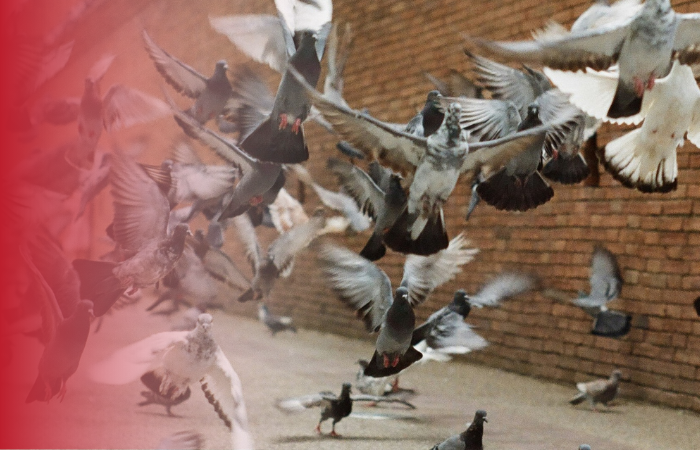
The feral pigeon is a widespread bird across the UK with flocks ranging from 50 to in excess of 400 birds. They can cause severe damage and risk to buildings and structures with their nesting and fouling which can also become a risk to public health and safety.
These birds are still protected under the Wildlife & Countryside Act 1981 though can be controlled under the terms of the General Licences issued by DEFRA.
They are known to carry a broad range of pathogens and diseases, which can be transferred to humans through air-borne, food-borne and physical contact as well as a host of insects and mites.
Feral pigeons are found in towns and cities across the world as well as rural environment
Plumages vary considerable from pure white, through various colour combinations, to almost pure black
Usually have red feet
Frequent towns and cities with good food sources
Feed in flocks with distinct territories which can range over 1.7 square miles
Initially cautious of new feeding areas though quickly gain confidence if undisturbed
In favourable conditions, can breed all year round however main period March-July
Usually only 2 young at a time, independent from around 30-37 days though more eggs can be laid before young leave
Sexually mature from 6 months old
Life expectancy up to 4 years
Feral pigeons look for safe, sheltered places to roost and breed. Roof spaces, solar panels, ledges, warehouses and commercial buildings provide ideal nesting locations.
Pigeon droppings can create hygiene issues, damage buildings over time and pose health risks if allowed to accumulate. Regular cleaning and professional bird control help minimise these risks.
Long-term pigeon control usually involves proofing measures such as bird netting, spikes, wire systems or solar panel protection, preventing birds from accessing favourite nesting sites.
Control methods must comply with wildlife legislation. A professional bird control company can ensure any work is carried out legally and responsibly.
Pigeons are highly loyal to established roosting sites. Unless the area is professionally proofed, they will often continue returning year after year.