



Providing fast, effective flea treatments across Wiltshire. Our professional team use safe, targeted methods to eliminate infestations and prevent them from returning, helping you restore comfort and hygiene to your home.
Fleas are a very common pest in the UK with up to 60 species found here and around 1400 worldwide! Although there are human fleas these are increasingly rare, most common fleas found as pests in houses are cat fleas which despite their name are often found on dogs too.

You can either call us on 01249 447377 or fill out our simple contact form.
One of our pest control experts will call you or reply via email to arrange the appointment instantly.
ASW'S technician will carry out the required visits and we will be at the end of the phone if you need us.
Cat Flea (Ctenocephalides felis)
The cat flea is the most common species of flea found in UK homes and is not limited to cats — it will readily bite dogs, humans, and other warm-blooded animals. Adult fleas are parasitic, feeding on blood from their hosts, while eggs, larvae, and pupae develop in carpets, bedding, and soft furnishings. Fleas can survive for long periods without feeding and reproduce rapidly, making infestations difficult to control without professional treatment. Their bites can cause intense itching, allergic reactions, and discomfort for both pets and people. Effective flea control involves treating both the affected animals and the environment to break the life cycle completely.
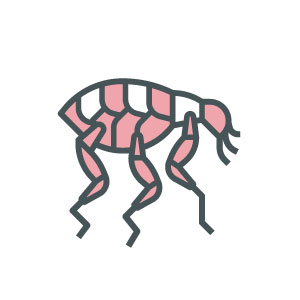
Adult fleas are around 2mm long, dark brown in colour with no wings. They are flattened laterally with long hind legs for jumping. The larvae are around 5mm long and pale in colour and are found in hosts bedding or in cracks in floorboards.
Fleas feed on blood from their hosts.
Female fleas can lay around 1000 eggs in the fur of their host, this occurs after a blood meal, these are 1mm and white in colour. They usually drop off the host onto bedding or floor areas and hatch after a few days. The larvae feed on adult flea droppings and go through 2-3 moults and are fully grown in around 3 weeks. They then spin a cocoon to pupate into adults after 2-4 weeks and hatch in response to vibrations. This can be delayed by several months if not stimulated.
Control of fleas on host animals can only be done using veterinary products such as flea drops, collars and shampoos.
Regular vacuuming of property and hot washing of animal bedding will help reduce larvae. This should be carried out prior to a technicians visit and any contents of vacuum disposed of in an external bin. Treatment of property will require the use of residual insecticide, occasionally a further visit is required to eliminate the fleas where exposed floorboards allow fleas to hide below.
Common signs include itchy bites (often around ankles), pets scratching more than usual, and seeing small dark insects jumping on carpets or furniture. You may also notice tiny black specks (flea dirt) in pet bedding or soft furnishings.
Fleas are most commonly brought in by pets such as cats and dogs, but they can also be carried on clothing or introduced by visiting animals. Once inside, they lay eggs in carpets, bedding, and upholstery, allowing infestations to spread quickly.
Flea bites can cause itching, irritation, and allergic reactions in both humans and animals. In pets, heavy infestations can lead to skin infections or discomfort, making prompt treatment important for both health and wellbeing.
Effective flea control requires treating both the environment and any affected pets. Professional treatment targets all life stages of the flea, including eggs and larvae hidden in carpets and furnishings, which is essential to fully break the life cycle.
Fleas can reappear if eggs or pupae remain hidden in carpets or floorboards, as they can hatch weeks later. Without thorough treatment and follow-up, it’s common for infestations to seem like they’ve returned when in fact they were never fully eliminated.