


Professional seagull control across Wiltshire. Humane gull deterrents, proofing and nest management for homes, businesses and commercial properties.
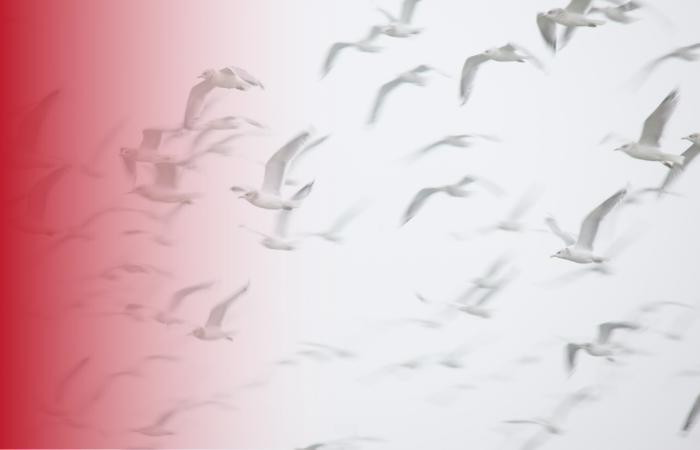
Seagulls have become an increasing problem across towns and cities, where rooftops, commercial buildings and coastal-style developments provide ideal nesting and roosting sites. Once established, gulls can create excessive noise, leave large amounts of droppings, damage roofs and gutters, and become highly protective during the nesting season, often swooping at people and pets.
We provide professional seagull control solutions tailored to your property. From bird proofing and deterrent systems to long-term gull management, our experienced team delivers safe, humane and fully compliant solutions that help protect homes, businesses and public spaces while preventing gulls from returning.
You can either call us on 01249 447377 or fill out our simple contact form.
One of our pest control experts will call you or reply via email to arrange the appointment instantly.
An ASW technician will carry out the required visits and we will be at the end of the phone if you need us.
(Laridae) As with all birds, they are protected by the Wildlife & Countryside Act 1981 though can be controlled under certain circumstances. They are known scavengers at domestic and commercial sites looking for food as well as flocking in great numbers and waste handling and landfill sites. They are a reasonably large bird and have been known to be aggressive towards people when looking for food.
– Great black-backed gulls – 64-78cm in length, wings are black with white tips, beak is yellow with a red spot, legs are pink
– Lesser black-backed gulls – 52-64cm in length, wings are dark grey with black tips, beak is yellow with a red spot, legs are yellow
– Herring gull – 55-64cm in length, wings are a silver grey with white spots and black tips, beak is yellow with a red spot, legs are pink
– Black-headed gull – 34-37cm in length, wings are pale grey above with white flecks on tips and black underneath, beak is red with a black tip, legs are red
– Common gull – 40-44cm in length, wings are medium grey, beak is a green-yellow, legs are green-yellow
– Kittiwake – 38-40cm in length, wings are pale grey with black tips, beak is yellow, legs are brown-black
– Often seen in large flocks both inland and coastal
– Favour high up nesting sites on building roofs and warehouses etc
– Can roost in many thousands on inland water sources such as reservoirs
– Start to breed from 5 years old
– Eggs laid in April or May, up to three eggs laid at 2 or 3 day intervals
– Usually only 1 successful clutch per season
– Life expectancy of up to 25 years
Seagulls often return to successful nesting sites year after year. If your roof provides a safe, elevated location, they’ll continue coming back unless effective proofing measures are installed.
Yes. Most seagull species are protected under UK wildlife legislation. Any control work must be carried out legally and responsibly by experienced professionals.
Professional bird proofing, including netting, wire systems and spikes, is the most effective long-term solution. Early prevention before nesting begins delivers the best results.
During the breeding season, seagulls can become aggressive when defending nests and chicks. They may dive towards people and pets, making them a particular concern around homes, schools and commercial premises.
Yes. Seagulls can block gutters with nesting material, damage roofs and leave large quantities of droppings that affect the appearance, hygiene and maintenance of buildings.