



Silverfish are common in UK homes, especially in damp areas like bathrooms and kitchens. Learn how to identify, treat, and prevent infestations.
A species found worldwide and often associated with man.


You can either call us on 01249 447377 or fill out our simple contact form.

One of our pest control experts will call you or reply via email to arrange the appointment instantly.

ASW'S technician will carry out the required visits and we will be at the end of the phone if you need us.
(Lepisma Saccharina)
They are common throughout the UK where they forage at night in areas such as bathrooms, kitchens and associated storage areas. They will often be found trapped in sinks, baths, glassware and other smooth surfaces as they cannot climb these types of surfaces.
In daylight hours they will usually be hiding behind gaps in wallpaper, behind skirting boards, under loose floor coverings and behind bath panels.
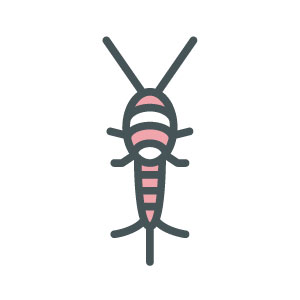
Adults are silver/grey in colour and up to 20mm long. They have long, thin antennae with a carrot-shaped body with three bristly tails.
Silverfish are rarely more than a nuisance but can at times reach unacceptable numbers.
Should control be deemed necessary then a residual insecticide will be used by one of our technicians.
Female silverfish will deposit around 100 white or brownish eggs in crevices in foodstuffs or adjacent structures over a period of a couple of months.
Once the eggs hatch they will go through a series of moults until they reach adulthood around the tenth moult. This can take up to a year to complete depending on temperature and humidity.
Silverfish are attracted to warm, damp environments such as bathrooms, kitchens, and utility areas. They thrive in high humidity and are often found in older properties or areas with poor ventilation, where they can hide in cracks, behind skirting boards, or under flooring.
Silverfish are not harmful to humans and do not spread disease, but they can become a nuisance in large numbers. They may also damage items such as paper, wallpaper, books, and some fabrics by feeding on starches and adhesives.
Signs include seeing small, silver, fast-moving insects (often at night), finding them trapped in sinks or baths, and noticing damage to paper, wallpaper, or stored items. They are typically found in hidden, undisturbed areas during the day.
Effective silverfish control involves treating harbourage areas with professional-grade insecticides and addressing the conditions that allow them to thrive, particularly moisture and humidity. Simply removing visible insects will not resolve the underlying issue.
Prevention focuses on reducing moisture levels through ventilation and dehumidification, sealing cracks and gaps, and maintaining good housekeeping in storage areas. Managing humidity is key to making your property less attractive to silverfish.